
Our Pest Control Blog
Small, uneven holes in wool sweaters, fur trim, or blankets usually point to clothes moth larvae. This guide covers how to confirm moths, how cold and cleaning help, and how to store winter gear so it stays protected through summer.
Spruce beetles can spend the winter under the bark of cut firewood and fly to nearby live spruce when the weather warms. Learn how to spot infested wood, where to stack it, and why the bark-on pile should be gone before spring.
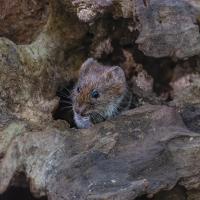
Voles stay active all winter in tunnels between the snow and the ground, feeding on grass, roots, and tree bark out of sight. Learn how to spot vole activity, which trees are most at risk, and simple steps that protect your yard before spring.
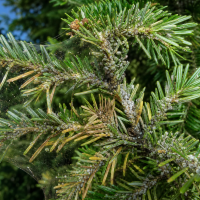
Spruce beetles and birch leafminers have damaged millions of acres of trees. Knowing what to look for on your own property can be the difference between saving a tree and losing it.
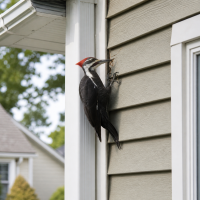
You hear drumming on your siding. Then again. Then a hole appears. In Alaska, that bird is almost certainly protected by federal law — and how you respond matters.
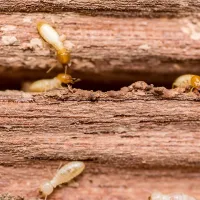
Did you know Alaska is the only state that does not have termites? Learn some fun facts to understand why termites can’t survive here.
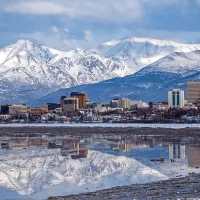
Pest inspections are essential when buying a home in Alaska’s cold climate. Learn what’s included, common pests flagged, and why professional inspections matter before closing.
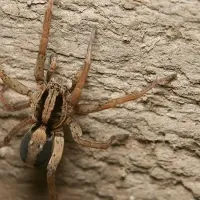
Spiders sneaking into your home? Learn about the most common spider species found in Alaska, why they move indoors in fall, and the safest ways to handle them. From natural repellents to sealing entry points, this guide covers everything you need to keep spiders out and when it’s time to call the pros.
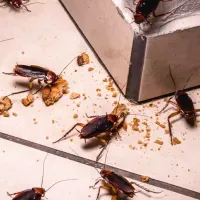
Cockroaches are a serious health concern, even in the coldest of climates like Alaska. Despite the harsh winters, certain cockroach species have adapted to thrive in warm indoor environments, causing issues for homeowners and businesses alike. This guide will cover everything you need to know about cockroach infestations in Alaska and how to protect your property.
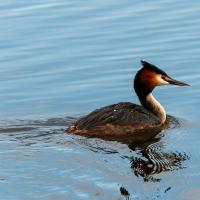
Many boreal birds, such as the Pacific Loon and the Rusty Blackbird, are found nowhere else in the world. As homeowners in Southcentral and Interior Alaska, you have the power to make a difference in protecting these magnificent creatures.
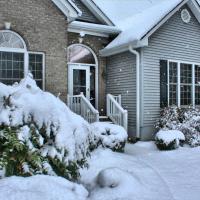
The cold season drives certain pests indoors, seeking warmth, food, and shelter. Five of the most common winter nuisances for Alaskans are bed bugs, rodents, spiders, cluster flies, and cockroaches, as well as carpenter ants. Here’s what you need to know about these winter pests and how to keep them out of your home this season.
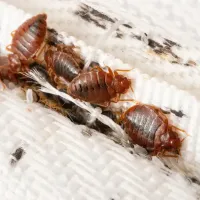
Bed bugs are elusive pests that can disrupt the comfort of any household. Recognizing these pests is crucial for timely and effective treatment. Adult bed bugs are small, about the size of an apple seed, with flat, reddish-brown bodies.
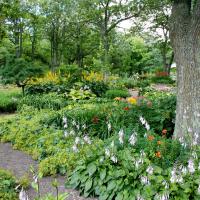
In recent years, Alaska's serene gardens and lush landscapes have encountered a slimy intruder that threatens local horticulture and disrupts ecological balance.
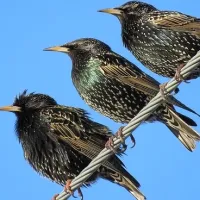
While often delightful, birds can become significant pests in gardens, on farms, and around buildings, leading to notable damage and nuisances. To combat this issue, a myriad of bird repellent devices have emerged on the market, claiming to deter birds without causing harm.
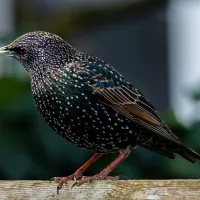
In Alaska's vast, untamed wilderness, a story of ecological intrigue is unfolding. The protagonist isn't a majestic bear or a stealthy wolf but rather a small, glossy bird—the European Starling. This tale, however, veers from the idyllic to the cautionary, highlighting the fragile balance of ecosystems and the profound impact of invasive species.